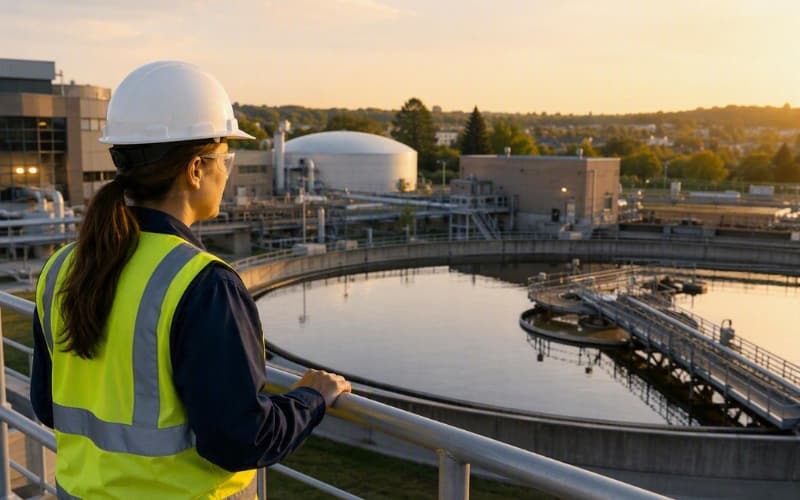
Utilities build stronger support for infrastructure investments when they help customers understand system needs before projects reach public review. Early awareness gives organizations more opportunities to explain priorities, answer questions, and connect long-term investments to the services communities rely on every day.
According to Granicus communications survey data, 63% of public-sector respondents identify service or program awareness as one of their most common communications topics, while only 5% identify revenue or budget issues. Engagement survey data shows that 73% of organizations conduct engagement around high-visibility projects. Organizations spend far more time helping people understand services than discussing funding, yet major infrastructure investments often attract the greatest public attention.
For utilities, that attention often arrives after years of planning. Customers rely on water systems, treatment facilities, substations, distribution networks, and other essential assets without seeing the maintenance, investment, and operational planning required to sustain them. When a project becomes visible, communications teams may need to explain the project and the broader factors that made the investment necessary. That context can help customers evaluate a project as part of long-term service delivery rather than as an isolated expense.
Project context supports informed decisions
Infrastructure investments are easier to evaluate when customers understand the conditions driving them. Budgets, schedules, and funding requests explain what a project will cost and when work will occur. Context explains why the investment is necessary, what risks it addresses, and how it supports reliable service over time.
Utility infrastructure decisions are often tied to maintenance strategies, regulatory requirements, capacity planning, reliability goals, and community growth. Utility leaders manage those considerations as part of ongoing operations, while customers may encounter them only when a project reaches public discussion. Without broader context, conversations can center on immediate costs and impacts without fully accounting for the service outcomes the investment is intended to support.
According to Granicus engagement survey data, 77% of organizations conduct engagement as part of strategic planning initiatives, while 67% use stakeholder feedback to adjust or redesign projects before implementation. Engagement helps organizations share information, incorporate feedback, and build understanding while plans are still taking shape.
For utilities, communication about reliability, maintenance needs, regulatory obligations, and future service demands can begin well before formal approvals or construction. When customers understand how infrastructure investments connect to everyday service, project conversations can focus on priorities, tradeoffs, and outcomes.
Continuous engagement builds understanding over time
Understanding rarely develops through a single project announcement. Infrastructure investments often reflect years of operational planning, maintenance work, regulatory obligations, and service priorities. Customers build awareness of those factors gradually through repeated interactions with the information their utility already shares.
According to internal Granicus engagement survey data, 73% of organizations conduct engagement around high-visibility projects. Internal Granicus communications survey data also shows that half of responding organizations embed engagement opportunities within digital user journeys and communication campaigns. These practices give customers more ways to receive information, ask questions, and provide input throughout a project’s lifecycle.
Utilities can apply the same approach by treating infrastructure communication as an extension of everyday service communication. Reliability updates, conservation programs, capital improvement planning, regulatory information, and community outreach can all help customers understand how utility systems operate and why future investments become necessary.
That foundation becomes especially valuable when projects move into public review. Customers who have already encountered information about system needs and long-term service goals enter those conversations with greater context. Communications teams can focus on project-specific questions, timelines, impacts, and tradeoffs instead of establishing foundational awareness at the point of decision.
Continuous engagement also creates operational value. Subscriber data, audience insights, customer feedback, and educational content accumulate over time, giving utilities a reusable foundation for future infrastructure discussions.
Measurement shows whether understanding is growing
Utilities need visibility into whether customers are receiving and engaging with important information. Measurement helps teams understand whether audiences are expanding, which topics generate a response, and where additional outreach may be needed.
According to Granicus communications survey data, 75% of responding organizations evaluate communications effectiveness using engagement metrics. Among those respondents, 59% track subscriber growth and 56% track enrollment or registration activity. For utilities, those measures can indicate whether more customers are choosing to receive information and whether they are acting on opportunities to learn more, attend meetings, or provide feedback.
Measurement can also expose awareness gaps before project milestones occur. Survey data shows that 56% of respondents identify difficulty connecting with segmented audiences as a common challenge. Reviewing engagement patterns across customer groups can help utilities identify where questions remain and direct outreach toward audiences that may need additional information.
The goal is to understand whether customers have enough information to participate meaningfully. Tracking reach, participation, feedback, and audience growth over time helps utilities strengthen communication before awareness gaps become obstacles to productive discussion.
Build understanding before decisions are on the line
Infrastructure projects depend on engineering plans, funding strategies, operational execution, and public understanding. Customers do not need to master every technical detail behind a treatment facility upgrade, substation improvement, or distribution system investment. They do need enough context to understand why the investment is necessary, what challenge it addresses, and how it supports reliable service.
According to Granicus engagement survey data, 84% of respondents agreed or strongly agreed that stakeholder feedback helped their organization make better decisions, while 79% agreed or strongly agreed that engagement contributed to more successful implementation of projects and initiatives.
For utilities, communication can create that value before infrastructure becomes visible through construction, service impacts, or funding discussions. Consistent information about system needs, meaningful opportunities for engagement, and ongoing measurement help customers understand the investments supporting essential services. When major decisions reach public review, utilities can build on an established foundation and create stronger conditions for informed participation and productive conversations.
Continue building accessible public understanding
Clear, accessible digital information helps more people understand public services and participate in decisions affecting their communities. Download “Understanding Website Accessibility for State and Local Government” to explore practical guidance for improving digital access, reducing barriers, and creating online experiences that make essential information easier to use.