By centralizing non-emergency inquiries — from pothole repairs to questions about trash collection — a services request system provides government agencies with a comprehensive view of community needs. This centralization allows for efficient tracking, management, and resolution of resident requests, while also generating valuable data for strategic planning and resource allocation. The result is a more organized, transparent, and efficient service delivery model that enhances the citizen experience.
Why is service request management important for government?
A robust service request management system is a strategic asset for modern local governments. It directly addresses the public’s expectation for accessible and responsive services, similar to what they experience in the private sector. Agencies can achieve significant operational improvements and build stronger community relationships by implementing a service request system.
Key strategic benefits include:
- Improved citizen satisfaction and trust: Providing a single, reliable channel for all non-emergency needs creates a frictionless experience for residents. The transparency of tracking requests from submission to completion demonstrates accountability and builds public trust.
- Enhanced operational efficiency: Centralizing requests eliminates departmental silos and redundant workflows. It automates the routing of tasks to the correct teams, reducing manual effort and accelerating resolution times.
- Data-driven decision-making: Service request systems capture a wealth of data on service demand, request types, and resolution timelines. This information provides leadership with critical insights to identify trends, allocate resources effectively, and proactively address recurring issues.
- Increased staff productivity: Staff can manage inquiries more effectively with automated routing and a centralized knowledge base. This allows them to focus on resolving complex issues rather than spending time redirecting calls or answering repetitive questions.
Common use cases for 311 systems
Service request systems are versatile and can be configured to manage a wide array of public services and resident concerns.
Typical applications include:
- Public works: Reporting potholes, broken streetlights, or damaged signs.
- Code enforcement: Submitting complaints about overgrown lawns, abandoned vehicles, or property violations, or scheduling inspections.
- Sanitation: Requesting new trash bins, reporting missed collections, or scheduling bulk item pickups.
- Parks and recreation: Reserving park facilities, reporting broken playground equipment, or inquiring about program schedules.
- Permitting and licensing: Answering questions about permits and licenses, including requesting applications and status updates.
- General information: Asking questions about city services, business hours, or community events.
What are the challenges of implementing a 311 system?
While the benefits are substantial, deploying a service request management system requires careful planning to overcome potential challenges. Governments must ensure the platform meets their specific operational and technological requirements.
Key challenges include:
- Integration with legacy systems: Many government agencies rely on established departmental software. A new 311 system must integrate seamlessly with these existing platforms to create a truly unified workflow and avoid creating data silos.
- Driving public adoption: The success of a service request system depends on public awareness and usage. Governments need a clear communication strategy to educate residents about the new service and its benefits.
- Ensuring accessibility: The platform must be accessible to all residents, adhering to standards like the Americans with Disabilities Act (ADA). This includes offering multiple channels for access, such as phone, web portal, and mobile applications.
- Managing staff training and change: Transitioning to a centralized system requires a shift in internal processes. Comprehensive training and clear communication are essential to ensure staff adopt the new workflows and use the system to its full potential.
How Granicus helps with service request management
Granicus provides a comprehensive Service Request Management solution designed specifically for the public sector. Our platform empowers governments to move beyond basic request tracking and deliver a connected, efficient, and citizen-centric service experience.
Unlike generic CRM tools, Granicus solutions are purpose-built to handle the complexities of government operations.
Key differentiators:
- Purpose-built for government: Our platform is engineered with a deep understanding of public sector workflows, compliance mandates, and security requirements.
- Seamless integration: Granicus’ Service Request Management solution integrates with existing departmental systems, creating a unified ecosystem that automates processes from intake to resolution and eliminates information silos.
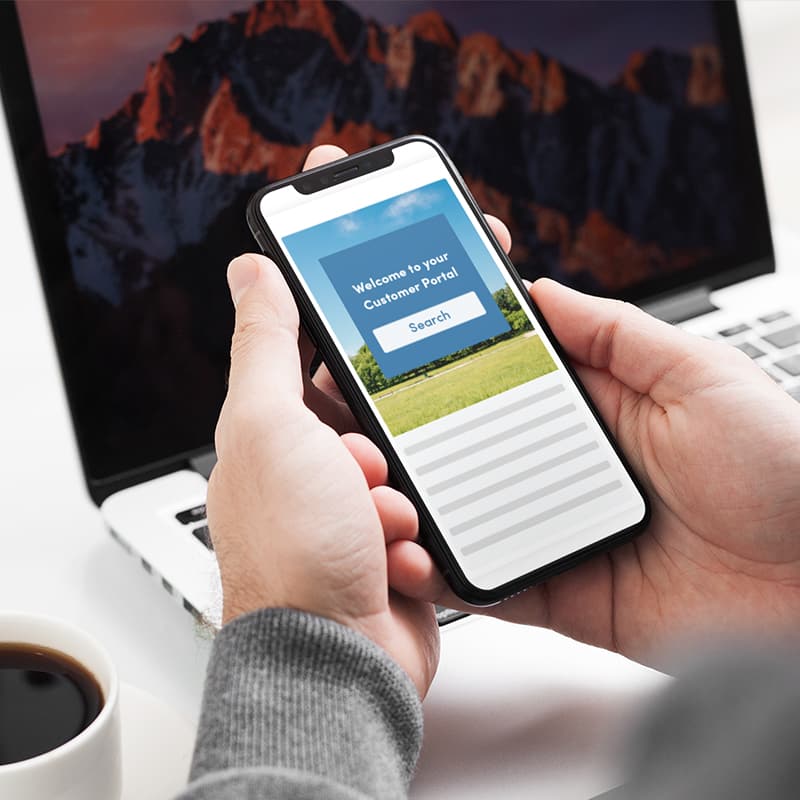
- Focus on citizen experience: We provide an intuitive, user-friendly public portal and mobile app that allows residents to submit requests, track progress, and access information 24/7 from any device.
- Actionable data and reporting: Our advanced analytics tools provide government leaders with the insights needed to monitor performance, optimize resource allocation, and make strategic, data-informed decisions.
By partnering with Granicus, government organizations can implement a secure, compliant, and powerful 311 system that transforms service delivery, enhances operational efficiency, and strengthens community trust.