BLOG
Understanding short‑term rentals and local regulation

A: Short‑term vacation rentals (STRs) are residential properties rented for fewer than 31 consecutive days. Communities may refer to them as vacation rentals, transient rentals, or resort dwellings.
Common distinctions include:
A: Occupancy tax is levied on short‑term lodging stays. Terminology varies by jurisdiction; transient occupancy tax, lodging tax, room tax, bed tax, tourist tax, and others are all common terms.
Guests typically pay the tax at booking, and the host or operator must remit it to local government either monthly or quarterly. In many communities, the revenue is managed by a Tourism Development Authority or similar body to support local tourism, events, marketing, and capital projects.
Occupancy tax rules vary widely and may include:
Although guests pay occupancy tax, hosts are generally responsible for filing and remitting it.
A: The rise of platforms like Airbnb and Vrbo has made STRs a nationwide phenomenon. Communities of all sizes — suburban, rural, and traditionally residential — now experience both the benefits and challenges of short‑term rental activity.
New listings appear daily across many platforms, making the landscape highly dynamic.
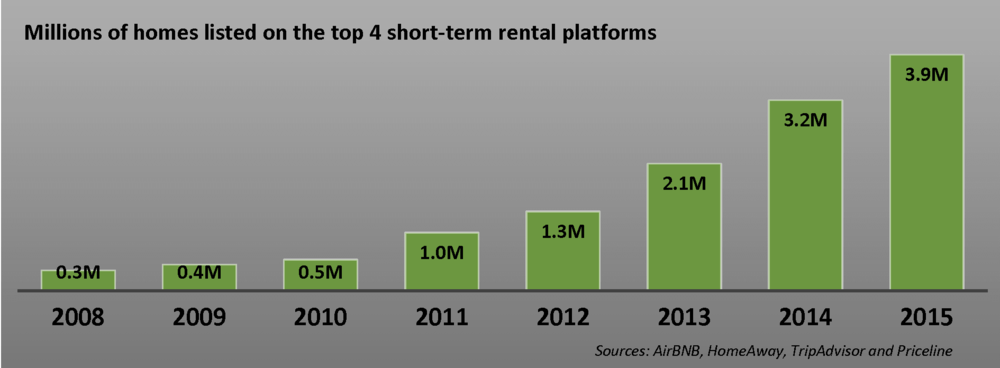
A: There are now hundreds of STR platforms worldwide, ranging from major brands to niche and regional sites. The mix changes constantly, which makes manual tracking difficult for local governments.
A: We can provide a complimentary market analysis to help you understand STR activity in your city, town, or county. Complete this brief form and our team will walk you through the findings.
A: It depends. STRs can operate smoothly with no noticeable impact — or they can create friction with neighbors and strain local resources. Challenges often go under‑reported because:
A: Communities regulate short‑term rentals to balance economic benefits with neighborhood quality of life. Common concerns include:
Clear rules help communities preserve neighborhood stability while still supporting responsible STR activity.
A: In most states, local governments typically have land‑use authority and can regulate or restrict STRs through zoning or police powers.
A few states impose limits on local authority, and the landscape continues to evolve. Municipalities often work with legal counsel to ensure any ordinance is compliant with state law and recent case precedent.
Explore our on‑demand webinar, “Short‑Term Rentals & State Legislation for Local Governments,” to stay informed on the latest shifts in state‑level STR legislation and how they affect local regulatory authority. It provides updated insights into policy trends, preemption challenges, and best practices for crafting effective STR regulations.
A: Yes. When done thoughtfully, STR regulation is often revenue‑positive. Licensing and tax compliance typically offset the cost of enforcement. More importantly, regulation helps:
A: Manual enforcement is extremely challenging due to:
Most communities find manual enforcement ineffective without dedicated tools or partners.
A: Usually not. Most hosts voluntarily register and remit taxes when they know the jurisdiction is actively monitoring STR activity. Research shows voluntary compliance increases significantly when third‑party reporting or monitoring exists.
A: Yes. Many communities partner with specialized firms that provide listing identification, compliance monitoring, tax reporting support, and 24/7 complaint hotlines. These services reduce workload for staff and often increase tax revenue.
A: In effective ordinances, yes. Licensing or registration creates a reliable inventory of STRs, supports enforcement, and helps ensure tax compliance.
A: Not always. Some communities conduct inspections for life‑safety reasons, while others only require self‑certification. Mandatory inspections may be unnecessary if the goal is primarily neighborhood protection rather than building safety.
A: Yes. Most homeowner policies exclude business activities. STR operators should carry commercial insurance.
Ready to take control of short‑term rentals in your community?
Explore how Granicus empowers local governments to identify listings, increase compliance, recover revenue, and protect neighborhood character. Our Short‑Term Rentals solution gives you the data, tools, and automation you need to regulate confidently and effectively.